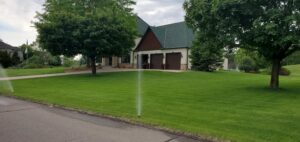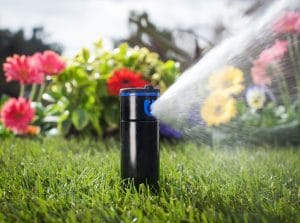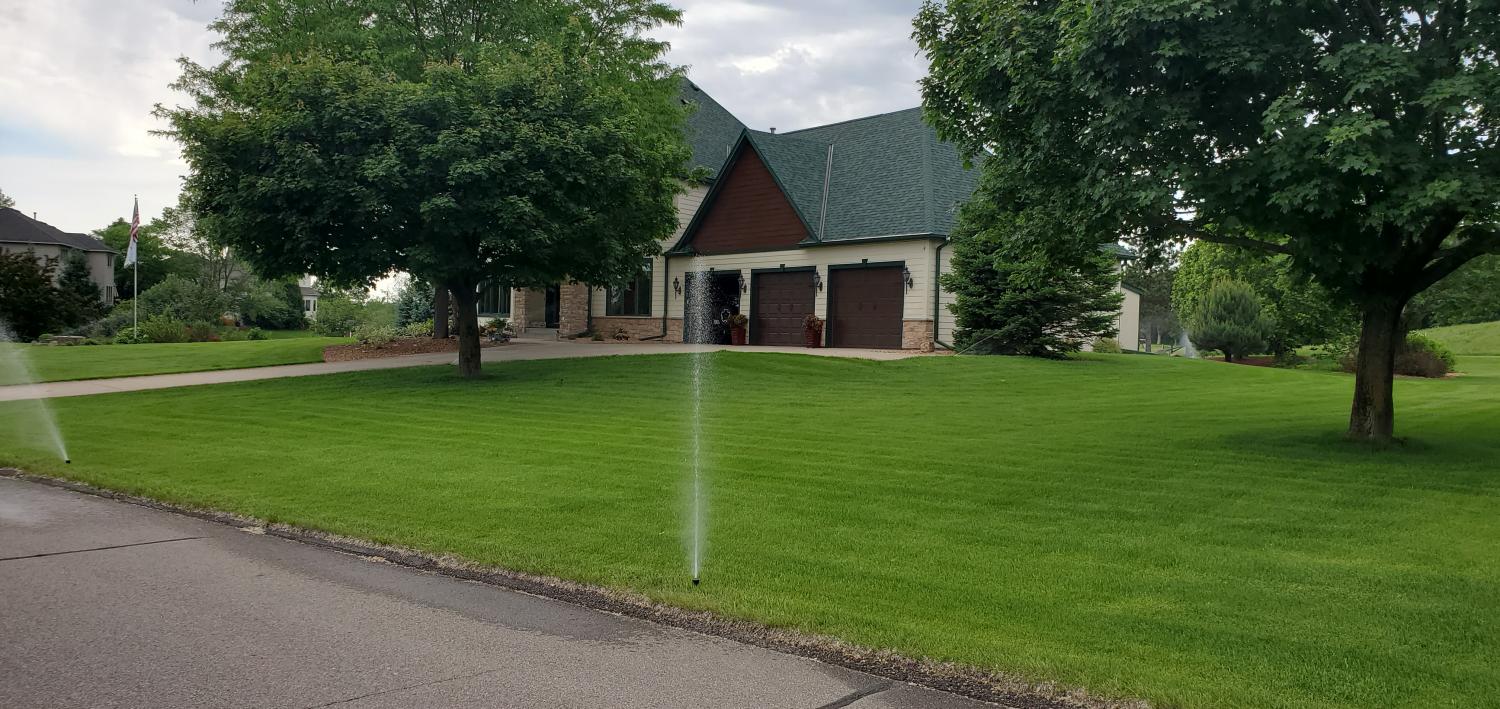
Investing in your landscape is one thing, but keeping it alive without draining your bank account is another. If you have an automatic sprinkler system, there is a high probability it is wasting water.
An irrigation audit is the “health checkup” your yard needs to stop the leaks—both literal and financial. Here is everything you need to know about why they matter and what you stand to save.
1. Why Should You Do an Irrigation Audit?
Most people in Minnesota set their sprinklers in May and don’t look at them again until October, when it’s time to winterize your system. Over the course of the season, your sprinkler heads get bumped by mowers, nozzles can get clogged with mineral deposits, and seasonal shifts make your “20-minute” run time overkill.
A professional irrigation audit goes beyond simply checking whether the water turns on. It evaluates:
- Distribution Uniformity (DU): This indicates whether one patch of grass is receiving an inch of water while the sidewalk receives the rest.
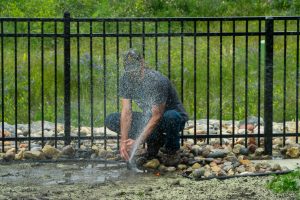
- System Health: Identifying “invisible” leaks below the surface or “misting” caused by high water pressure (which evaporates before hitting the grass).
- Scheduling: Adjusting your smart controller based on actual soil type and plant needs rather than guesswork.
2. Potential Water Savings
The potential savings are more significant than most homeowners realize. According to the EPA and recent 2026 conservation data, an unmaintained irrigation system can waste up to 25,000 gallons of water annually.
By performing an audit and acting on the results, you can see:
- 15% to 30% reduction in total outdoor water use just by fixing leaks and adjusting schedules.
- Up to 50% savings if the audit leads you to upgrade to “Smart” controllers or high-efficiency nozzles.
- Healthier Plants: Over-watering is just as deadly as under-watering; an audit ensures your roots can actually breathe.
3. How to Check for City Rebates
Many cities now offer “Water Efficiency Grants” or “Cost-Share Programs” to reduce the strain on municipal infrastructure and here are some tips for finding them:
- Check Your Utility Bill: Look for inserts or fine print regarding “Conservation Programs.”
- Search Your City Website: Use keywords like [City Name] + Water Rebate or Irrigation Grant.
- Look for “Water Sense” Partnerships: Many cities partner with the EPA’s Water Sense program. If your city is a partner, they will likely offer rebates for smart controllers (often up to $150–$200) or high-efficiency spray heads.
- The Fine Print: Many cities require pre-approval. Do not buy equipment or hire an auditor until you’ve submitted an application, or you might disqualify yourself from the rebate. You can also work with your Irrigation company to get this done. We’re happy to help.
Many cities only offer the biggest rebates (some up to 75% of project costs) if the audit is performed by a certified professional, so while you may be a DIY expert, hiring a professional is key with an irrigation audit.
So, should you get one this season? An irrigation audit is the difference between “spraying money into the wind” and actually nourishing the yard you’ve worked so hard to build. The larger your irrigation system, the more significant the savings can be on your water bill and at the meter. With many cities offering to cover the costs in 2026, there’s no reason to let your sprinklers run on autopilot.
Ready to schedule your audit? Reach out to get it set up today.