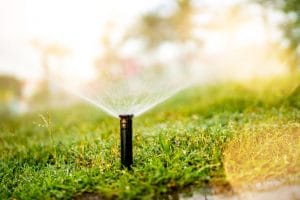
Protecting the water you drink is a team effort. While the city works hard to treat and deliver clean water to your tap, once that water enters your property, it’s up to your plumbing system to keep it that way.
In Minnesota, one of the most critical parts of this responsibility is backflow testing. If you’ve received a notice from your city or seen it mentioned by your plumber, here is everything you need to know about why it’s required and how it keeps your family safe.
What is Backflow?
Normally, water flows in one direction: from the city main into your home. However, sudden changes in water pressure (like a nearby water main break or a fire hydrant being used) can cause the flow to reverse. This is called backflow.
When this happens, “used” water from your irrigation system, boiler, or pool can be sucked back into your home’s drinking water—or even the city’s main supply. This water may contain fertilizers, pesticides, heavy metals, or bacteria.
Why is Testing Required in Minnesota?
The state of Minnesota takes water safety seriously. Under the Minnesota State Plumbing Code (specifically Chapter 4714), backflow prevention is a legal requirement for certain types of plumbing systems.
Since January 23, 2016, Minnesota has adopted stricter regulations regarding “testable” backflow assemblies. The code requires that these devices be tested:
- Upon installation
- When repaired or relocated
- At least once every year
Backflow is more than just a plumbing quirk; it’s a health hazard. In Minnesota, many homes have lawn irrigation systems or boilers. Without a functioning backflow preventer, the chemicals used on your lawn or the stagnant, rusty water in your heating system could end up in your kitchen faucet.
If a backflow incident originates on your property and contaminates the city’s water supply, you could be held liable for the damages and the cost of decontaminating the system. Annual testing provides a paper trail proving that you’ve maintained your system according to state law.
Common Systems That Require Testing
Not every home has a testable backflow assembly, but they are very common in Minnesota for:
- Lawn Irrigation Systems: These often use a Pressure Vacuum Breaker (PVB) to keep lawn chemicals out of the pipes.
- Boiler Heating Systems: Many older Minnesota homes use boilers, which require an RPZ (Reduced Pressure Zone) valve or a Double Check valve.
- Fire Sprinkler Systems: To prevent stagnant water in the fire lines from entering the drinking water.
- Commercial Equipment: Such as carbonated beverage dispensers or chemical processing tanks.
How Does the Process Work?
In Minnesota, you cannot perform this test yourself unless you are a certified backflow tester. So what do you do?
- Hire a Certified Tester: Look for a plumber or specialist who holds an ASSE (American Society of Sanitary Engineering) 5110 certification.
- The Inspection: The tester will use specialized gauges to ensure the internal check valves and springs are opening and closing at the correct pressures.
- Reporting: Once the test is passed, the tester will submit a report to your local water authority (like the City of Minneapolis, St. Paul, or your specific suburb).
- Tagging: A physical tag is usually attached to the device showing the date of the test and the tester’s license number.
If you receive a letter from your city requesting a backflow test, don’t put it off. Most cities will give you a 30-day window to comply before they issue fines or, in extreme cases, shut off your water service to protect the public.
By keeping up with your annual backflow test, you aren’t just following the law—you’re ensuring that the water your family uses every day remains clean and safe.
At Minnesota Irrigation, we specialize in providing comprehensive backflow testing services for residential and commercial properties in the Twin Cities. Contact us today to schedule your annual backflow testing and keep your water system safe and compliant.